
Climate Change Is a Water Crisis — And Sustainability Must Start Here

Climate change is often discussed in terms of rising temperatures, carbon emissions, or extreme weather events. But for millions of people, climate change is experienced in a far more immediate and personal way — through unsafe, unreliable, and scarce drinking water.
Erratic rainfall, groundwater depletion, floods, and aging infrastructure are quietly turning water into one of the most climate-vulnerable resources of our time.
This is why climate action without water resilience is incomplete.
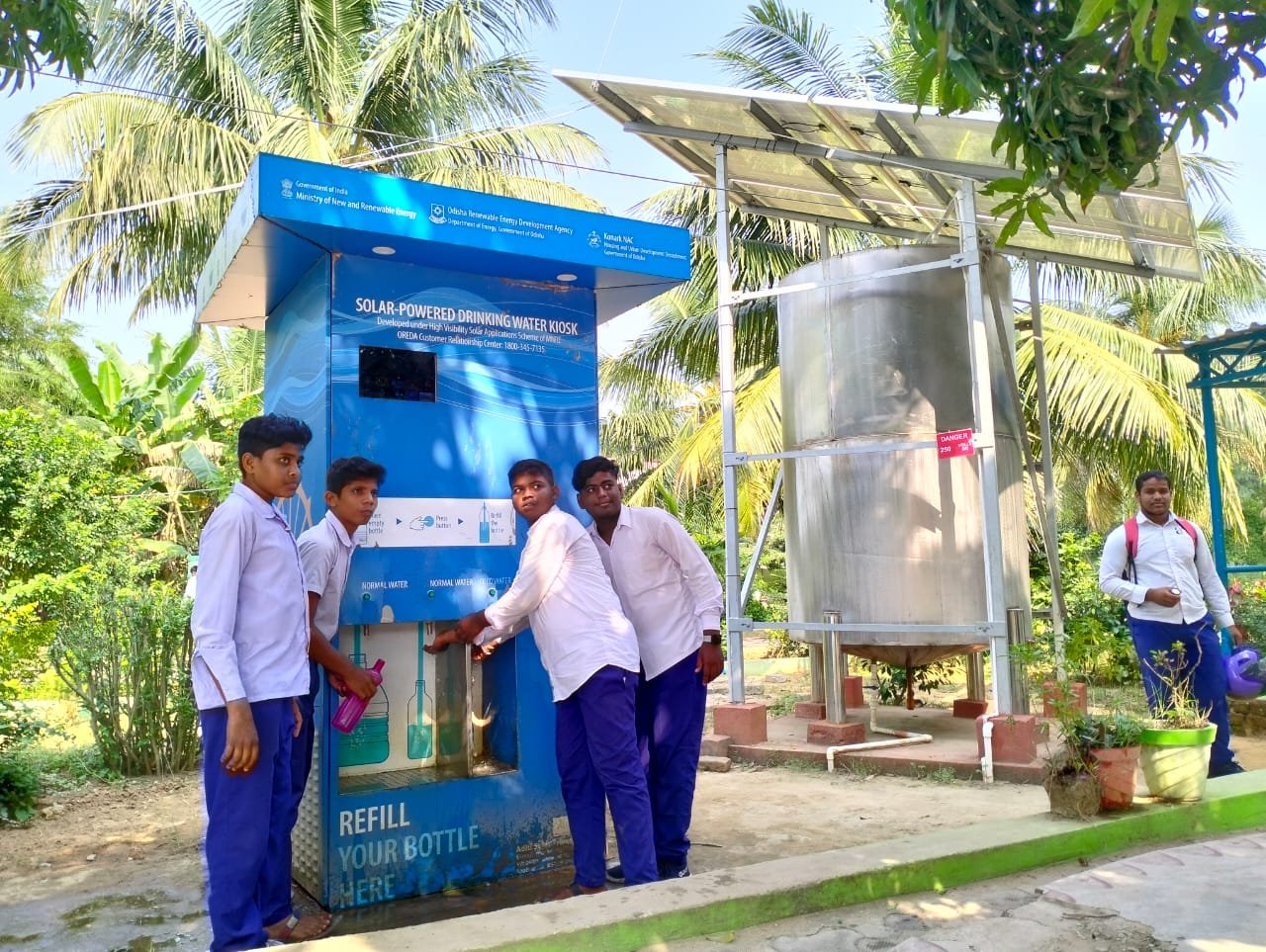
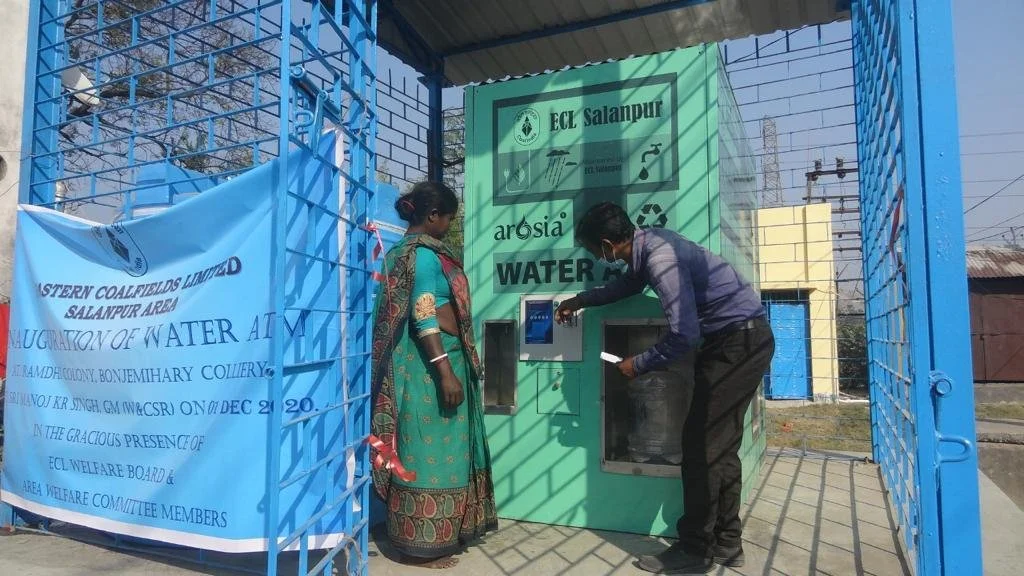
Arosia Solar Water ATM
Water at the Heart of Climate, Health, and Equity
When climate stress impacts water systems, the consequences ripple across communities:
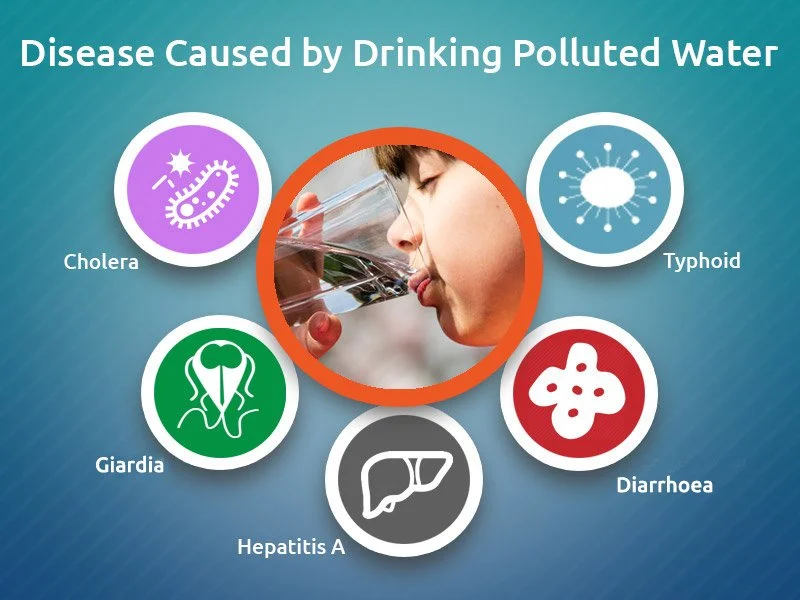
Drinking water contamination after floods
Severe scarcity during prolonged droughts
Rising waterborne diseases
Disproportionate burden on women and children
Loss of productivity, education, and livelihoods
Climate change does not affect everyone equally.
Communities with weak water infrastructure are always the first to suffer.
Ensuring safe drinking water is not just a sustainability goal —
it is a climate adaptation necessity.
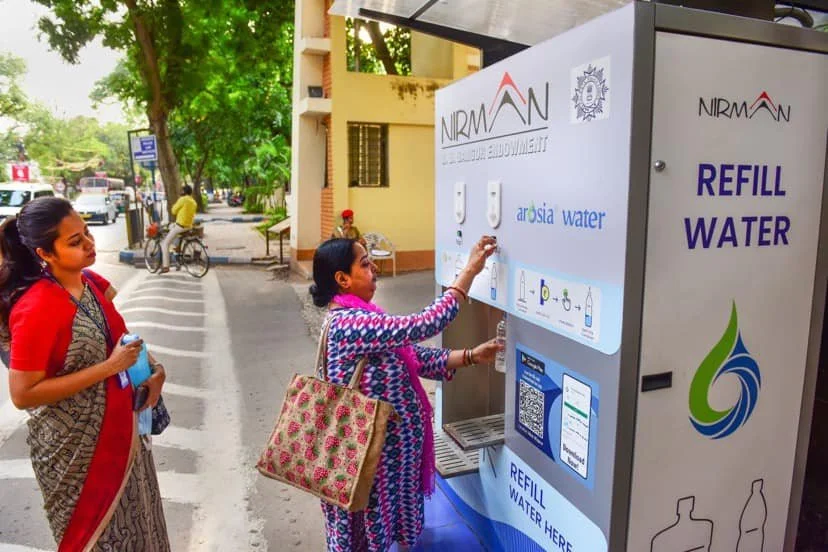
Arosia Water ATM, UPI enabled
Sustainability Needs Systems, Not Slogans
Sustainability is often reduced to intentions and promises. Real impact requires systems that work every day.
At Arosia Water, we believe climate-resilient water solutions must be:
Continuously monitored, not occasionally tested
Data-driven, not reactive
Affordable, not exclusive
Scalable, not limited to pilots
Smart water systems make it possible to:
Detect contamination early
Prevent disease outbreaks
Optimize water usage
Reduce chemical and energy waste
Build accountability into public water infrastructure
Technology does not replace nature — it helps us protect it intelligently.
4
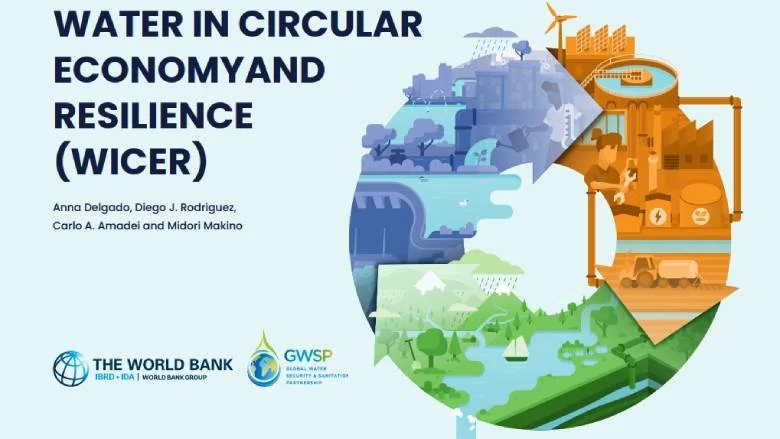
From Climate Risk to Climate Intelligence
Climate uncertainty demands predictive thinking.
By integrating IoT, analytics, and AI, water systems can move from crisis response to risk anticipation:
Identifying climate-linked contamination trends
Flagging anomalies before they escalate
Forecasting water quality risks
Enabling data-backed decisions for operators and communities
This is how sustainability becomes measurable, reportable, and improvable.
Clean water should never depend on luck or last-minute intervention.
Aligning with SDG 6 — And Beyond
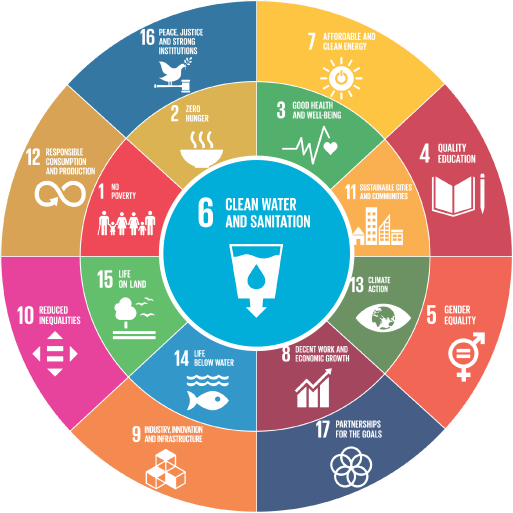
The United Nations Sustainable Development Goal 6 calls for clean water and sanitation for all. Achieving this goal requires alignment across climate resilience, public health, and digital infrastructure.
Every Arosia Water deployment contributes to:
SDG 6 — Clean Water and Sanitation
SDG 3 — Good Health and Well-being
SDG 11 — Sustainable Cities and Communities
SDG 13 — Climate Action
Sustainability is not a single outcome.
It is a living system that must adapt continuously.

The Future of Climate Action Is Local — and Digital
Global climate goals are achieved locally.
In a school.
In a hostel.
In a village.
In a factory.
At a community water point.
When people trust their drinking water, communities become resilient.
Climate-smart water systems are no longer optional.
They are the foundation of sustainable development.
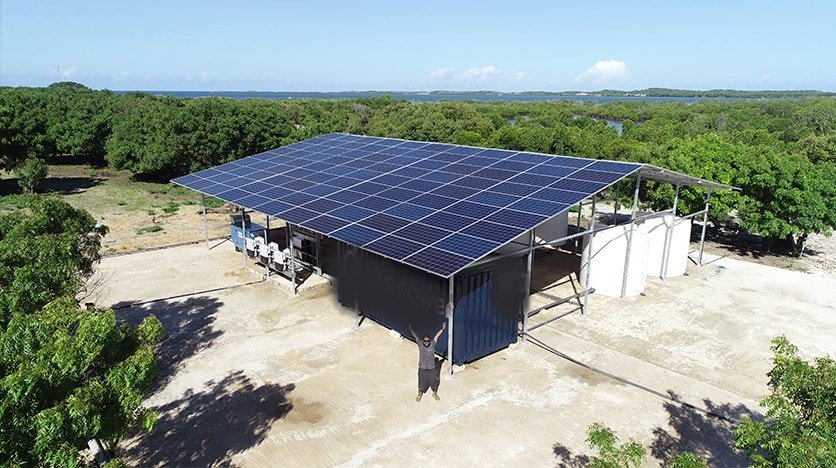
Solar Desalination
My Reflections
Sustainability is not about perfection.
It is about responsibility — practiced every day.
At Arosia Water, our commitment is simple:
to ensure climate change does not turn water into a silent public-health crisis.
Because resilient water systems build resilient futures.
— Rituparna Das
Founder, Arosia Water
Building climate-resilient communities starts with safe water.
Partner with Arosia Water to deploy smart, sustainable drinking water systems.
